
 HOME
HOME SIGN UP
 LOGIN
LOGIN KSPRS
KSPRS


More about Seoul
- About Korea
- K-Culture & K-Food
- Must Visit Places of Seoul
- Seoul Tour Information
- Virtual Seoul Tour
- Travel Highlights in Korea
About Korea
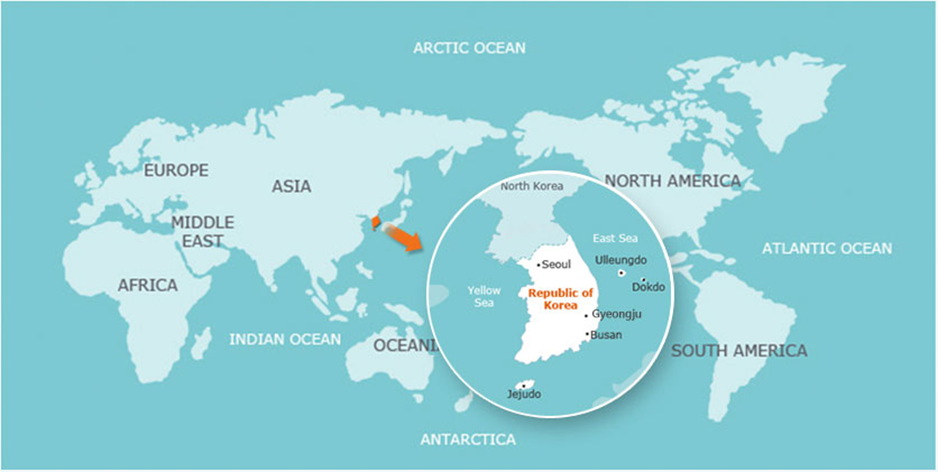
The Republic of Korea (herein after Korea) is a country visited by approximately ten million international travelers every year. With its long history in culture and tradition, the country has a lot to offer to travelers. The Korean peninsula, roughly 1,030 kilometers long and 175 kilometers wide at its narrowest point, is located in Northeast Asia. With Seoul as its capital city, Korea's total land area is 100,363 kilometers squared. Korea's neighbors include Japan to the east, China to the west, and Democratic People's Republic of Korea (North Korea) across the northern border.
K-Culture & K-Food
- ‘Hangeul’,
Korean Alphabet -
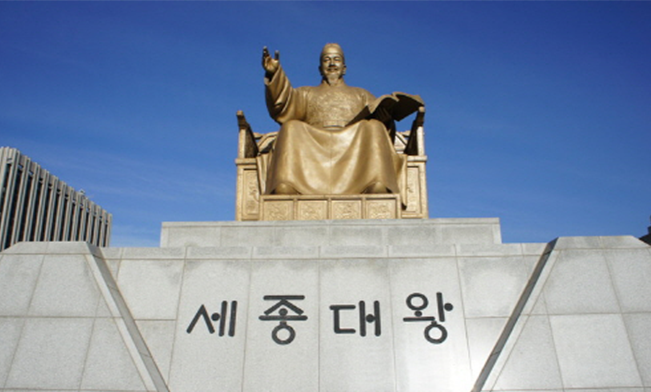 Hangeul, one of the most unique creations of Korea, was introduced in 1443 by King Sejong, the 4th king of the Joseon dynasty. To help all commoners to easily read and write this alphabet, Hunminjeongeum (meaning ‘Proper sounds to instruct the people’ in Korean) was created. The UNESCO inscribed Hunminjeongeum Haerye; The Hangeul Manuscript, on the Memory of the World Register in 1997.
- ‘Hanbok’,
Korean Traditional Clothes -
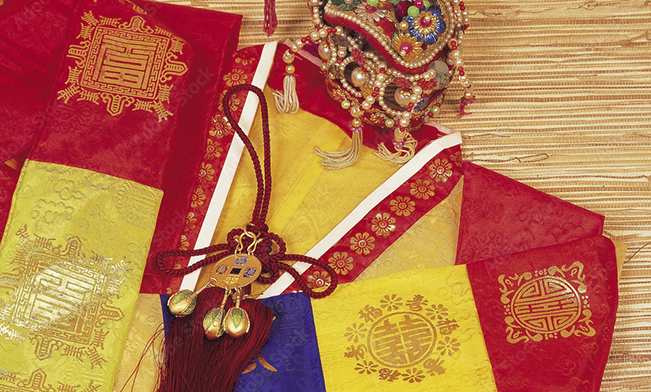 Hanbok is the traditional attire of the Korean people. Worn daily up until just 100 years ago, hanbok comes in various shapes and colors, reflecting the culture and lifestyle of its time. Nowadays, it is only worn on special occasions or anniversaries. The core of hanbok is its graceful shape and vibrant colors, which have had a major impact on the modern fashion industry.
- ‘Hansik’,
Korean Traditional Food -
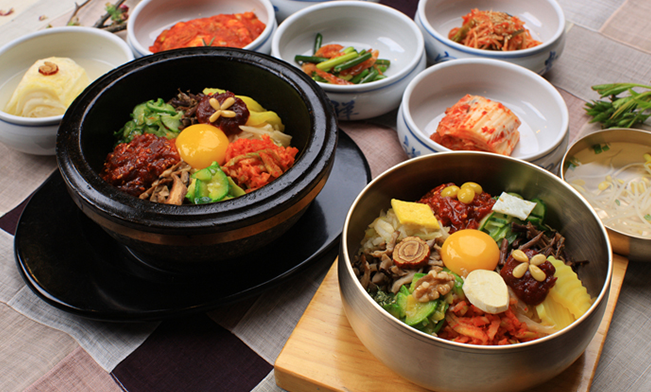 Hansik refers to traditional Korean food, centered on rice, served alongside a bowl of soup and a variety of side dishes. Most dishes use meat and vegetables as the main ingredients, boiled or steamed in brine or water rather than fried in oil, making hansik very healthy. Hansik's most outstanding feature is the fermented foods. The most well-known are kimchi (fermented cabbage).
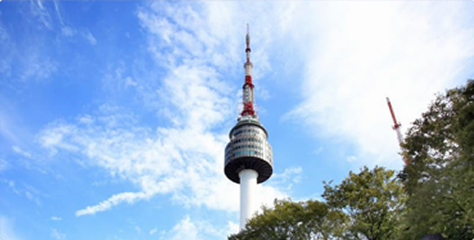
K-Café & Lifestyle Culture
Seoul’s café culture reflects the city’s design, lifestyle, and evolving urban trends.
Discover the everyday charm and atmosphere of Seoul through its vibrant café scene.
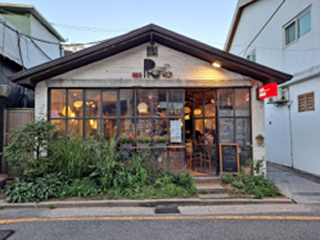
Seoul Tour Information
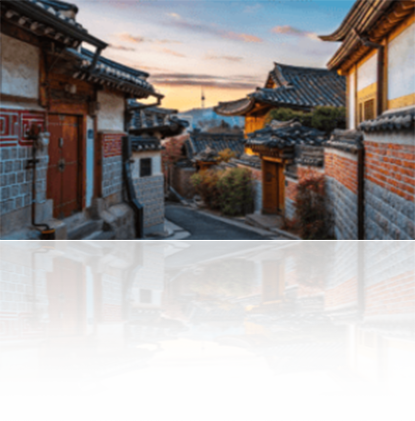
Virtual Seoul Tour

PRS KOREA participants can enjoy special offers on flights, hotels, and tours through the Seoul BLEISURE program. Make the most of your visit by exploring the city before or after the conference. Explore Travel Deals

Make the most of your visit to K-Plastic Surgery’s global hub.
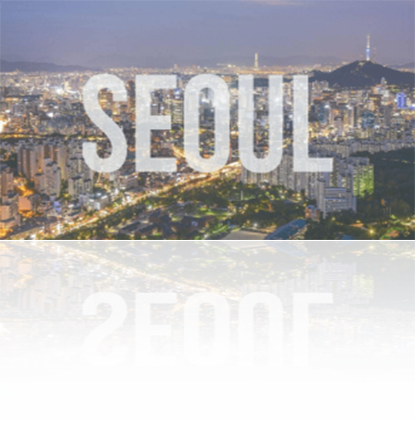
Take a sneak peek at what awaits you in this amazing city with Seoul Tourism Foundation's official film. Seoul My Soul

Travel Highlights in Korea
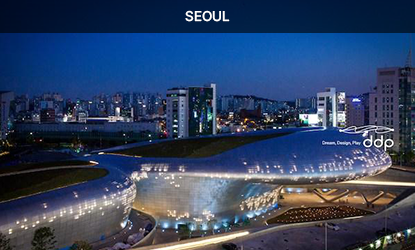
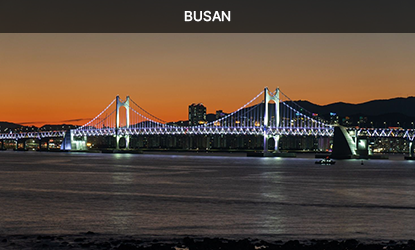
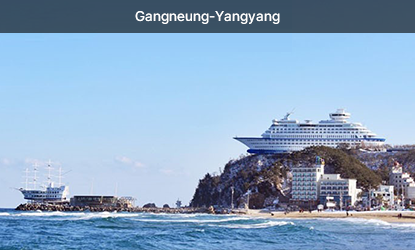
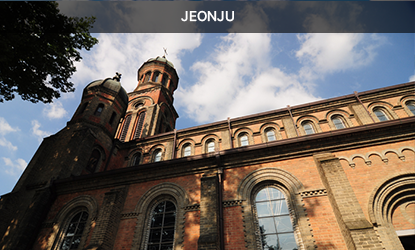
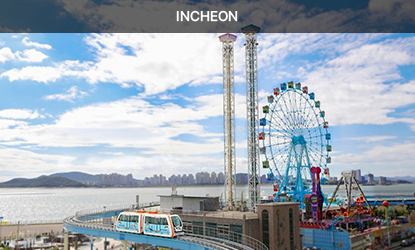


- Hosted by
-


- Supported by
-

-

-
정회원 연회비 납부 방법
1) 상단 + 검색창 클릭
2) QR 코드 스캔대한성형외과학회 KSPRS

-

-
카카오톡 채널 추가하는 방법
카톡 상단 검색창 클릭 →
QR코드 스캔 → 채널 추가

















Copyright© 2026 By Korean Society of Plastic and Reconstructive Surgeons All right Reserved.